
Views: 0 Author: Site Editor Publish Time: 2026-07-21 Origin: Site


Industrial gas supply reliability dictates your plant's uptime. If you lose your nitrogen or oxygen feed, your entire production line stops, leading to scrapped batches and severe operational bottlenecks. Procuring an air separation unit requires balancing heavy upfront capital with long-term operational efficiency. You have to meet strict purity and volume demands while managing massive energy loads. The reality on the ground is that mismatched equipment leads to bottlenecked production or wasted power. You cannot afford to over-spec purity or under-spec capacity.
This guide gives plant managers, EPC contractors, and procurement directors a framework to evaluate technologies and mitigate implementation risks. We look at exact success criteria, core separation methods, and technical specifications needed to secure your gas supply. We will walk through the exact steps to audit your site conditions, select the right compressor configurations, and manage the logistics of getting a cold box installed on your pad safely and efficiently.
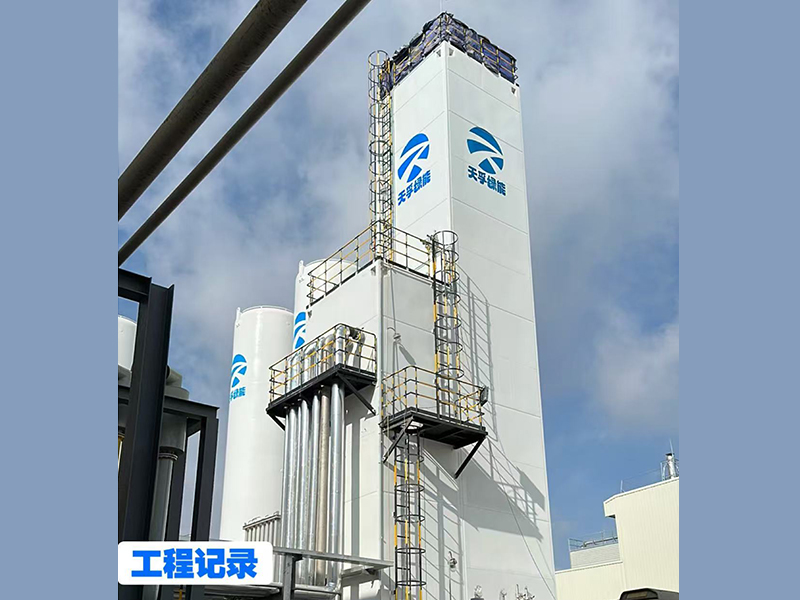
Technology Alignment: Selecting between cryogenic, PSA, or membrane technologies depends strictly on the intersection of required purity (e.g., 99.999% vs. 95%), volume, and state (liquid vs. gas).
Energy is the Primary Cost Driver: OPEX, driven by the specific power consumption of the compressors, will typically outpace the initial CAPEX over the lifespan of an air separation unit.
Feedstock Air Quality & Safety: Proper pre-purification is critical; trace hydrocarbons, CO2, and moisture can compromise process safety and cold box integrity.
Integration Complexity: Site-specific factors, including ambient conditions, utility availability, and footprint constraints, heavily dictate the final system design and project timeline.
Procurement Models: Direct capital purchase is not the only route; over-the-fence (Build-Own-Operate) contracts shift operational risk but alter long-term financial modeling.
Table of Contents
The foundation of any gas generation project begins with a rigorous audit of current and future gas consumption rates. You measure this in normal cubic meters per hour or standard cubic feet per hour. Plant operators must map out peak demand spikes versus baseline usage to size the equipment accurately. Ultra-high purity requirements exponentially increase system complexity. Electronics and semiconductor manufacturing demand strict purity levels, often exceeding 99.999%. This requires advanced distillation columns and extensive analytical instrumentation. Conversely, standard industrial combustion or chemical oxidation processes operate efficiently on lower purity oxygen, allowing for simpler system designs.
Delivery pressure requirements dictate your secondary compression needs. Depending on the downstream application, facilities choose between utilizing a product gas compressor after separation or employing internal liquid pumping before vaporization. Internal compression provides a smaller footprint and enhanced safety for high-pressure oxygen applications. We see this often in heavy metallurgical plants where high-pressure oxygen is injected directly into furnaces.
Determining the state of the final product is a critical decision point. While many industrial processes require continuous gas flow, producing liquid gases is necessary for backup storage, peak shaving during high-demand cycles, or merchant market sales. Producing liquid requires substantial additional refrigeration. This liquefaction process imposes a heavy energy penalty. You will need larger expansion turbines and increased compressor capacity to achieve the cryogenic temperatures required to condense the gas.
Audit your baseline gas consumption over a 30-day period to establish minimum flow rates.
Identify peak demand spikes that occur during specific batch processes or shift changes.
Determine the exact delivery pressure required at the battery limit of your facility.
Calculate the volume of liquid backup required to sustain operations during a power outage.
Local environmental conditions heavily impact the aerodynamic efficiency of the main air compressor. Elevation, seasonal temperature fluctuations, and ambient humidity alter air density. Lower air density at high altitudes means the compressor must work harder to deliver the same mass flow of air. This directly impacts the sizing and overall efficiency of the plant. If you are building a plant in a high-altitude mining region, your compressor train will look vastly different than one built at sea level.
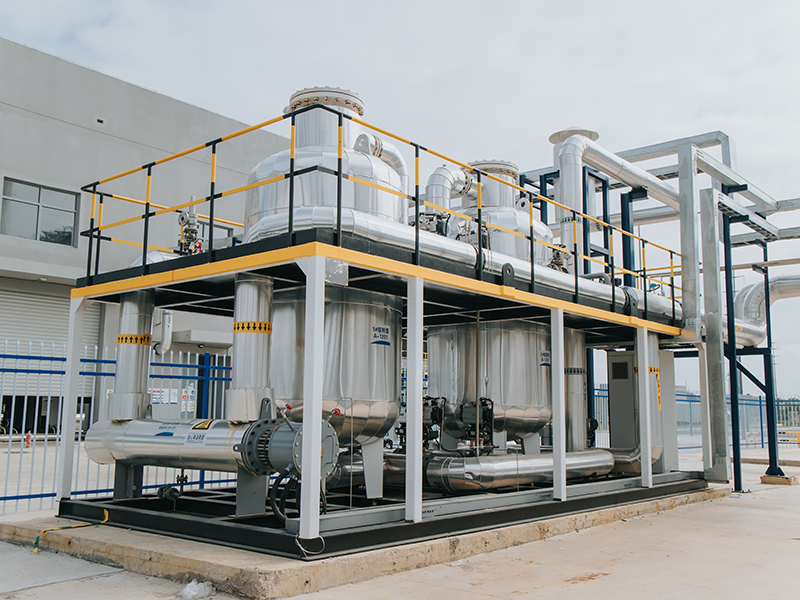
The Pre-Purification Unit acts as the primary defense mechanism for the cold box. Utilizing 13X APG molecular sieves, this unit scrubs moisture, carbon dioxide, and dangerous trace hydrocarbons like acetylene from the incoming air stream. If these contaminants enter the main heat exchanger, they freeze. This causes severe blockages and creates significant safety hazards. You must monitor the regeneration cycles of these sieves closely to ensure they maintain their adsorption capacity over time.
Cryogenic separation utilizes fractional distillation at extremely low temperatures, typically between -180°C and -196°C. The process separates air into its elemental components based on their different boiling points within high-pressure and low-pressure columns. This technology remains the undisputed choice for massive volumes, multi-gas production, and ultra-high purity requirements. When you need thousands of cubic meters per hour of nitrogen, oxygen, and argon, cryogenic distillation is the only viable path.
Modern cryogenic plants utilize internal compression, where liquid products are pumped to pressure and vaporized in the main heat exchanger. This offers enhanced safety over external gas compression, especially for oxygen. For facilities requiring argon, modern cryogenic structured packing columns provide high-yield, high-purity argon recovery compared to traditional de-oxo systems. The primary trade-off involves a larger physical footprint and longer commissioning times. You are building a complex chemical plant, not just dropping a skid on a pad.
PSA and VPSA systems separate gases at near-ambient temperatures using specialized adsorbent materials. Zeolites capture nitrogen and allow oxygen to pass, while carbon molecular sieves capture oxygen to produce high-purity nitrogen. These systems are highly effective for mid-to-high volume, single-gas generation where liquid production is unnecessary.
They offer faster deployment and a smaller footprint compared to cryogenic plants. However, they are limited in maximum oxygen purity and cannot recover argon. This makes them suitable for applications like metal fabrication, wastewater treatment, and chemical blanketing. The valve switching in PSA units requires robust maintenance protocols, as the constant cycling wears down pneumatic actuators over time.
Membrane technology relies on the selective permeation rates of different gases through hollow fiber materials. Fast-permeating gases like oxygen and moisture escape through the fiber walls, while slow-permeating nitrogen travels down the bore. This method is ideal for rugged environments requiring low-maintenance, lower-purity nitrogen.
Remote mining operations, offshore oil and gas platforms, and marine vessels frequently utilize membrane systems. They lack moving parts, offer extreme durability, and provide rapid startup capabilities. When you are operating in a harsh environment where maintenance access is limited, membranes provide a reliable, albeit lower-purity, gas supply.
Technology | Best For | Purity Limit | Footprint |
|---|---|---|---|
Cryogenic | High volume, multi-gas, liquid production | 99.999%+ | Large (Field Erected) |
PSA / VPSA | Mid volume, single gas (N2 or O2) | Up to 99.999% (N2), 95% (O2) | Medium (Skid Mounted) |
Membrane | Low volume, rugged environments | Up to 99.5% (N2) | Small (Compact) |
Specific power consumption serves as the ultimate metric for evaluating plant efficiency. You measure this in kilowatt-hours per normal cubic meter of product gas. Evaluating the main air compressors and booster air compressors is critical. Implementing variable speed drives, optimizing aerodynamic efficiency, and utilizing multi-stage configurations with intercooling significantly reduce the electrical load required to compress the feedstock air. Every fraction of a kilowatt saved translates to massive operational savings over a twenty-year lifespan.
Modern plants rely heavily on Advanced Process Control and Model Predictive Control to optimize column stability. These systems automatically adjust operating parameters to minimize power draw during peak electrical billing cycles while maintaining product purity. For unmanned or remote operations, robust remote telemetry, safety shut-down systems, and predictive maintenance algorithms for high-speed turbomachinery are mandatory. You need to know if a compressor bearing is running hot before it fails and takes the plant offline.
The turndown ratio defines a plant's ability to operate efficiently below its maximum design capacity. Cryogenic plants typically handle load changes with a 70% to 100% turndown ratio. This requires careful management of distillation column hydraulics to prevent weeping or flooding on the trays. In contrast, PSA systems offer rapid cycling and near-instantaneous startup and shutdown capabilities. This provides superior flexibility for facilities with highly variable daily gas consumption.
Analyzing the Mean Time Between Failures for critical rotating equipment, such as expansion turbines and centrifugal compressors, is essential for minimizing downtime. Facilities must evaluate redundancy configurations to guarantee uninterrupted downstream processes. Implementing N+1 cooling water pumps, dual-filter systems, and backup liquid storage vaporizers ensures the gas supply remains stable even during scheduled maintenance windows or unexpected equipment trips.

Capital costs encompass the core equipment, including the cold box, compressors, and adsorbers. You must also account for civil works, piping, instrumentation, and installation labor. Field-erected plants require extensive site preparation, deep foundations, and heavy lifting equipment. Modular plants reduce on-site labor but shift costs to fabrication and specialized transportation. You need a clear boundary limit definition in your EPC contract to avoid scope creep during construction.
Electricity dominates the ongoing operational costs of any gas generation facility. You must also budget for cooling water treatment chemicals, molecular sieve replacement cycles, and routine maintenance like filter changes and valve rebuilds. Specialized operator labor is required for cryogenic plants, as tuning a distillation column requires specific expertise. Environmental compliance monitoring and reporting also add to the annual operating budget.
The energy-intensive nature of gas generation ties directly into corporate sustainability goals and Scope 2 emissions monitoring. You must evaluate the impact of local carbon taxes, green energy tariffs, and regional power-grid clean energy ratios. Sourcing renewable power for your main air compressors drastically reduces the carbon footprint of your industrial gas supply.
Compare direct ownership with Build-Own-Operate or Build-Own-Operate-Maintain contracts. Direct ownership requires heavy upfront capital but gives you complete control over the asset. BOO models transfer technical, operational, and maintenance risks to industrial gas companies. In exchange, you pay a fixed monthly facility fee and a variable gas molecule fee. This shifts the financial burden from capital expenditure to operational expenditure.
Transporting monolithic cryogenic cold boxes and large-diameter distillation columns presents significant logistical hurdles. Project managers must conduct rigorous route clearance audits, secure oversized road permits, and navigate ocean freight container limits. Early logistical planning prevents costly delays when moving heavy equipment from the fabrication yard to the final installation site. You do not want a cold box stuck at a port because a bridge on the transport route cannot handle the weight.
Critical components, including custom centrifugal compressors and brazed aluminum heat exchangers, require long manufacturing lead times. To mitigate schedule overruns, project teams must execute Front-End Engineering Design studies early. Initiating early procurement of these long-lead items ensures the construction schedule remains intact. Waiting until the detailed engineering phase is complete to order a main air compressor will delay your startup by months.
Strict adherence to major engineering codes is non-negotiable. Pressure vessels must comply with ASME Section VIII, while centrifugal compressors follow API 617 standards. Regional gas safety guidelines dictate strict oxygen hazard mitigation protocols. Regulatory hurdles often involve noise emissions, cooling water discharge limits, and hazard zone classifications for oxygen-enriched atmospheres. Mandating comprehensive Hazard and Operability studies during the engineering phase mitigates these risks.
Underperformance at start-up poses a severe risk to facility operations. Structuring strict Site Acceptance Testing protocols is the primary mitigation strategy. Final vendor payments should be directly tied to verified specific power consumption metrics, startup time guarantees, and sustained product purity levels during the initial commissioning phase. You must verify that the plant meets its guaranteed performance metrics before handing over the final payment.
Selecting the right air separation unit is the foundation of a reliable and efficient industrial gas supply system. By carefully evaluating technology, energy efficiency, lifecycle costs, and site-specific requirements, businesses can achieve stable gas production while maximizing long-term operational value.
At Zhejiang Jinhua, we specialize in industrial gas equipment and customized air separation solutions for customers around the world. With years of engineering experience and advanced gas generation technologies, we help businesses improve production efficiency, reduce operating costs, and build dependable gas supply systems for long-term success.
Before choosing an air separation solution, compare suppliers based on technology expertise, energy efficiency, lifecycle costs, and after-sales support to ensure the best long-term investment.
A: Cryogenic plants typically operate for 20 to 30 years with rigorous maintenance. PSA systems generally last 15 to 20 years, though the adsorbent media usually requires replacement every 5 to 10 years depending on usage and air quality.
A: Power consumption varies heavily by scale and liquid production requirements. Specific power generally ranges from 0.4 to over 1.0 kilowatt-hours per normal cubic meter of product gas, with the main air compressors accounting for the vast majority of this electrical draw.
A: PSA uses solid adsorbents at near-ambient temperatures to separate gases, making it ideal for single-gas, mid-volume needs. Cryogenic separation cools air to liquid temperatures and uses fractional distillation, which is required for ultra-high purity, massive volumes, and multi-gas production.
A: Yes, cryogenic plants can be designed to produce both gaseous product for immediate pipeline use and liquid product for backup storage or merchant sales. However, producing liquid requires additional refrigeration capacity and significantly increases the system's power consumption.
A: The pre-purification unit removes moisture, carbon dioxide, and trace hydrocarbons from the compressed air stream before it enters the cryogenic cold box. This prevents contaminants from freezing and blocking the main heat exchanger, ensuring safe and continuous operation.


