
Views: 0 Author: Site Editor Publish Time: 2026-04-15 Origin: Site


Product quality can rise or fall at the freezing stage, especially for seafood, fruit, prepared meals, and other products that are sensitive to temperature change. Cryogenic liquid nitrogen production equipment helps food processors create a fast, stable, and efficient freezing environment by supplying liquid nitrogen for preservation and low-temperature processing. For companies that want better product consistency and stronger daily output, JINHUA GAS offers practical equipment solutions designed for food freezing applications.
A liquid nitrogen plant for food freezing is built to produce and supply liquid nitrogen for industrial use inside or alongside a food processing facility. Instead of depending fully on outside deliveries, a processor can work with a more controlled and predictable cryogenic supply.
This matters because liquid nitrogen is not just a cooling medium. In many food plants, it is directly connected to freezing speed, preservation quality, and line stability. When the nitrogen supply becomes part of the plant’s own process, production teams gain more control over timing and performance.
The main value of this equipment is not simply that it produces nitrogen. Its real value is that it supports rapid freezing, which helps protect texture, shape, color, and freshness more effectively in many food applications.
For seafood, this can help maintain firmness and reduce drip loss after thawing. For berries and vegetables, it can help preserve appearance and structure. For prepared foods and bakery products, it can improve handling consistency and final product presentation. That is why many processors view cryogenic liquid nitrogen production equipment as a quality tool rather than just a utility system.
The system starts by processing air and separating nitrogen before turning it into liquid form. From the user’s point of view, the important idea is simple: the plant converts a widely available raw material into a highly useful cryogenic resource for food production.
This section is the production core of the system. When it operates reliably, the plant can provide a steady source of liquid nitrogen to support freezing and preservation tasks.
Producing liquid nitrogen is only part of the process. The system also needs to store it safely and transfer it efficiently to the freezing line. Insulated storage helps keep the liquid nitrogen ready for use, while transfer components connect the plant to actual food processing operations.
For processors, this means more dependable daily scheduling. A stable storage and transfer setup helps support continuous output, especially in factories where freezing is part of a fast-moving production line.
A useful liquid nitrogen plant should fit into real processing work, not remain separate from it. In practice, the output may feed freezing tunnels, chambers, or preservation steps linked to packaging.
This is where the business value becomes clear. The system supports better freezing performance, but it can also contribute to broader food preservation goals across the line. JINHUA GAS develops solutions with this practical application logic in mind, so the equipment works as part of food production rather than as an isolated technical unit.
System section | What it does | Why it matters |
Production unit | Generates and liquefies nitrogen | Creates a stable cryogenic source |
Storage section | Holds liquid nitrogen before use | Supports consistent supply |
Transfer section | Delivers nitrogen to the line | Connects production to freezing |
Application point | Uses nitrogen in freezing or preservation | Helps protect food quality |
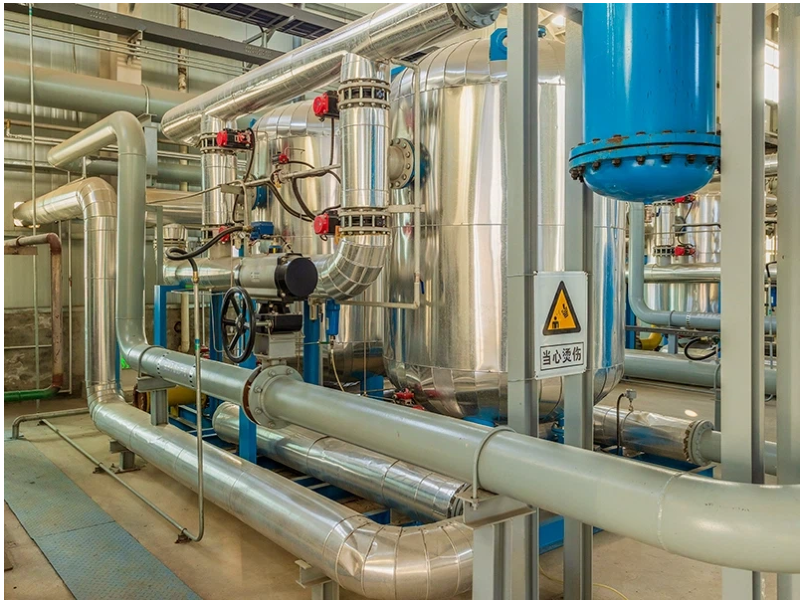
A liquid nitrogen plant is especially useful for products that are easily damaged by slow or uneven freezing. Seafood is one of the clearest examples, because texture and appearance often determine market value. Fruit, berries, bakery items, and ready meals can also benefit from faster freezing and better low-temperature control.
This is important because frozen food is judged by more than storage life. Buyers also care about appearance, shape, moisture retention, and eating quality after thawing or reheating. Rapid cryogenic freezing helps processors hold onto more of those product qualities.
The equipment is also highly useful in plants with large daily output. When production schedules are tight and freezing is a key process step, cold supply stability becomes a serious operational issue.
An on-site liquid nitrogen system allows processors to match freezing support more closely to their own production rhythm. That can reduce disruptions, improve scheduling confidence, and support smoother performance during busy periods. For factories handling multiple product categories or seasonal volume changes, this flexibility adds even more value.
Food production depends on coordination. Cleaning, cutting, mixing, freezing, packaging, and storage all follow a schedule. If the freezing stage becomes unstable, the impact can spread through the whole line.
On-site production helps reduce that risk. By making liquid nitrogen part of the plant’s own working system, processors gain a more reliable source of cryogenic cooling. That supports better daily planning and gives operations teams more control over output.
For export-oriented food businesses, this is especially important. Products may need to travel long distances and stay in storage for extended periods, so preservation quality begins with how well freezing is handled from the start.
Consistency is one of the strongest reasons to invest in this type of equipment. A processor may already know that quick freezing improves quality, but repeatable results across many batches are what truly support commercial success.
A well-integrated nitrogen system helps maintain more stable freezing conditions from run to run. That makes it easier to protect appearance, texture, and moisture retention while keeping product standards more uniform. For brands selling into retail, foodservice, or overseas markets, that kind of consistency is a major advantage.
Food factories often change. Product types expand, packaging formats shift, and volume grows. A liquid nitrogen plant should therefore support more than one narrow application.
This flexibility helps processors adapt to different foods and production goals without losing freezing performance. It also fits well with broader preservation strategies, including packaging-related uses where nitrogen plays a supporting role. JINHUA GAS understands that food plants need practical, adaptable systems, not rigid one-purpose installations.
Preservation starts at the moment the product enters the freezing process. If the product moves quickly through critical temperature ranges, it has a better chance of maintaining the qualities customers care about later.
That is why cryogenic freezing is often associated with premium preservation. A better freezing stage helps support shelf life, appearance, and eating quality over time, giving processors a stronger foundation for product performance after storage and transport.
In some food operations, nitrogen also supports preservation beyond freezing itself. It may be used in packaging-related steps where atmosphere control helps maintain product condition. This gives the plant broader value across the production line and strengthens its role in an integrated food preservation system.
Zhejiang Jinhua Air Separation Equipment Co., Ltd. is a high-tech enterprise specializing in air separation plants, special gas equipment, and rare gas purification systems. With solid technical experience, modern production capability, and a strong research and development base, the company provides equipment solutions for industrial gas applications that require reliability and precision.
For food processors, that background matters because a liquid nitrogen plant must do more than generate cold. It has to fit the actual line, support real production goals, and perform steadily over time. JINHUA GAS focuses on practical system design for food freezing and preservation, with attention to performance, customization, and long-term service support.
Food processors do not invest in freezing equipment simply to lower temperature. They invest to protect product value, improve consistency, and strengthen operational control. Liquid Nitrogen Plant for Food Freezing and Preservation solutions from JINHUA GAS help turn those goals into a practical production system by supporting rapid freezing, dependable supply, and more stable daily performance. If your business is looking for a better way to improve food freezing and preservation, contact us to discuss the right solution for your application.
It is used to produce and supply liquid nitrogen for food freezing and preservation. In food plants, it helps processors achieve faster freezing, better quality retention, and more reliable production support.
A liquid nitrogen plant is important because freezing speed directly affects texture, appearance, and consistency. A stable cryogenic supply helps processors improve results across different products and production batches.
Products that are sensitive to texture loss or shape damage benefit the most, including seafood, berries, prepared meals, meat products, and bakery items.
Yes. Besides freezing, it can support broader preservation goals by helping food enter storage in better condition and by contributing to packaging-related nitrogen applications in some production lines.


