
Views: 0 Author: Site Editor Publish Time: 2026-09-24 Origin: Site


Unplanned downtime in cryogenic gas production hits hard. When a plant trips, you lose product, vent expensive gases, and burn massive amounts of power getting back to purity. Managing an Air Separation Unit means fighting constant mechanical and thermodynamic wear. High-speed compressors vibrate and degrade. Molecular sieves lose their adsorption capacity. Distillation columns foul up. Coldbox enclosures leak and lose insulation value.
You need a standardized, EIGA/CGA-compliant maintenance protocol to stop these physical realities from wrecking your production schedule. A strict approach keeps gas purity stable, maximizes yield, and maintains site safety. We will break down a comprehensive checklist and vendor evaluation framework. This guide gives you the exact field protocols required to keep your cryogenic plant running reliably, avoiding the massive energy penalties of reactive shutdowns.
Preventative vs. Reactive Costs: Routine monitoring of heat exchangers, chillers, and compressors reduces catastrophic failure risks and optimizes the massive energy consumption typical of ASUs.
Coldbox Integrity is Non-Negotiable: Periodic inspection of the coldbox enclosure for tightness, purge gas flow, and perlite degradation is a critical safety and efficiency mandate.
Comprehensive Scope: Effective Air Separation Unit maintenance extends beyond the core process to include adjacent cryogenic liquid storage tanks, vaporizers, and rectification systems.
Strategic Turnarounds: Annual or bi-annual plant outages require precise scoping, often necessitating specialized third-party cryogenic contractors for complex repairs, plant relocations, and molecular sieve replacements.
Compliance and Safety: Adherence to industry-standard safety bulletins (e.g., EIGA, CGA, AIGA) forms the baseline for all maintenance activities, mitigating risks associated with high pressures and cryogenic liquids.
Table of Contents
A successful maintenance program delivers specific, measurable operational outcomes. You must sustain product purity across oxygen, nitrogen, and argon streams, often down to parts-per-billion levels of impurities. You must maximize volumetric yield while minimizing specific power consumption. Achieving these targets requires proactive intervention before mechanical wear impacts thermodynamic efficiency. When equipment degrades, the plant consumes more electricity to produce the same volume of gas.
Leaks, heat exchanger fouling, and cooling problems can increase the load on the main air compressor and raise energy consumption. Moisture or carbon dioxide passing through the PPU can also freeze inside the cryogenic system, blocking heat exchangers and distillation equipment. These problems reduce plant efficiency and may cause unplanned shutdowns that require several days for defrosting and restart.
Cryogenic plants must follow strict safety requirements because they handle high pressures, liquid oxygen, and other cryogenic fluids. Oxygen leaks can increase fire risks, while hydrocarbon buildup in liquid oxygen can create serious hazards. Regular leak detection, air monitoring, liquid purging, and analyzer calibration help control these risks. Maintenance should also follow relevant AIGA and EIGA safety guidelines.
Translating routine checks into specific operational outcomes is the core value of a structured maintenance program. Checking refrigerant levels prevents pre-purification unit overload. Monitoring vibration prevents catastrophic compressor failure. Implementing Air Separation Unit Maintenance requires a time-based approach categorized by daily, monthly, and annual intervals.
Maintenance Interval | Component Focus | Target Outcome | Action Required |
|---|---|---|---|
Daily | Compressors & PPU | Prevent mechanical failure; ensure dry feed air. | Log vibration, check oil levels, monitor chiller temps. |
Weekly | Coldbox & Vaporizers | Maintain insulation; prevent ice bridging. | Check purge gas flow, inspect for casing frost, defrost vaporizers. |
Monthly | Valves & Analyzers | Maintain flow control; guarantee purity. | Stroke test control valves, calibrate analyzers with span gas. |
Quarterly | Heat Exchangers & Filters | Detect early fouling signs; protect impellers. | Trend differential pressures, replace intake filter elements. |
Annual | Safety Systems & Sieves | Recertify pressure vessels; restore adsorption. | Bench test SRVs, evaluate molecular sieve breakthrough times. |
Daily inspections form the frontline defense against equipment degradation. Plant operators must conduct physical walk-rounds and review control room data trends. Relying solely on DCS alarms is a reactive strategy. Operators need to look, listen, and feel the equipment.
Compressor Systems: Monitor vibration levels on the Main Air Compressor and Booster Air Compressor using proximity probes and casing accelerometers. Track bearing temperatures closely. Verify lube oil pressure and check for unusual acoustic signatures indicating mechanical wear or impending surge conditions.
Pre-Purification Unit (PPU): Check chiller refrigerant levels daily. Inspect the cooling system for visible leaks. Monitor chilled water temperatures to ensure the feed air is adequately cooled before entering the molecular sieve beds. High feed air temperatures drastically reduce the adsorption capacity of the zeolite.
Coldbox Enclosure: Verify continuous nitrogen purge gas flow. The purge gas maintains a slight positive pressure, preventing ambient moisture ingress. Monitor the exterior carbon steel shell for abnormal frosting, sweating, or condensation. Exterior ice indicates internal insulation failure, perlite voids, or cryogenic piping leaks.
Cryogenic Liquid Storage & Vaporizers: Monitor backup tank liquid levels. Check vacuum pressures on double-walled storage tanks to ensure insulation integrity. Inspect ambient air vaporizers for excessive ice build-up. Ice bridging between vaporizer fins drastically reduces heat transfer efficiency, potentially sending cryogenic liquid into downstream carbon steel piping.

Quarterly tasks require deeper technical intervention. These checks identify progressive wear that daily monitoring might miss. Maintenance technicians must coordinate with operations to perform these tasks without disrupting plant stability.
Heat Exchangers & Distillation Columns: Inspect operating data for signs of fouling. Monitor differential pressure drops across the main heat exchangers. Track pressure variations across the rectification columns to detect internal flooding or structural damage to the structured packing. An increasing pressure drop trend requires immediate investigation.
Valves, SRVs, and Instrumentation: Perform partial stroke tests on critical control valves to ensure they do not stick. Visually inspect Safety Relief Valves (SRVs) and rupture discs for corrosion, weeping, or blocked discharge piping. Calibrate oxygen, nitrogen, and moisture analyzers using certified span gases to guarantee product purity readings.
Filtration Systems: Inspect intake air filters. Replace filter elements based on differential pressure readings rather than visual appearance alone. Clean intake screens and weather hoods to prevent particulate ingress from damaging the main air compressor impellers.
Cooling Water Systems: Test cooling tower water chemistry. Adjust biocide and corrosion inhibitor dosing. Scale buildup in compressor intercoolers directly impacts plant efficiency by raising feed air temperatures.
Annual or bi-annual turnarounds involve taking the plant offline. This allows for invasive inspections and major component overhauls. Turnarounds require months of planning, parts staging, and contractor coordination.
Coldbox Internal Inspections: Test the coldbox enclosure for absolute tightness. Assess perlite insulation for settling or degradation. Perform thermographic surveys across the casing to identify hidden cold spots before they compromise the outer shell. Top up perlite levels using specialized pneumatic transfer equipment.
Molecular Sieves: Evaluate adsorbent performance through historical cycle data. Plan for high-temperature regeneration cycles to strip accumulated moisture. Schedule complete replacement of the alumina and zeolite beds based on their operational lifecycle and moisture breakthrough trends. Sieve replacement requires strict dust control and confined space entry protocols.
Cryogenic Pumps and Expanders: Schedule complete mechanical overhauls. Replace mechanical seals, bearings, and seal gas labyrinths. Perform dynamic balancing of rotating assemblies to ensure vibration-free operation upon restart. Inspect expander nozzle rings for erosion.
Safety System Recertification: Remove all Safety Relief Valves and Pressure Safety Valves. Test them on a certified bench. Recertify and reinstall them to ensure strict compliance with local pressure vessel codes. Replace all rupture discs that have reached their recommended service life.
Electrical and Control Systems: Perform thermographic inspections of motor control centers (MCC) and switchgear. Clean and tighten electrical connections. Test uninterruptible power supplies (UPS) and backup generators to ensure safe plant shutdown during grid failures.
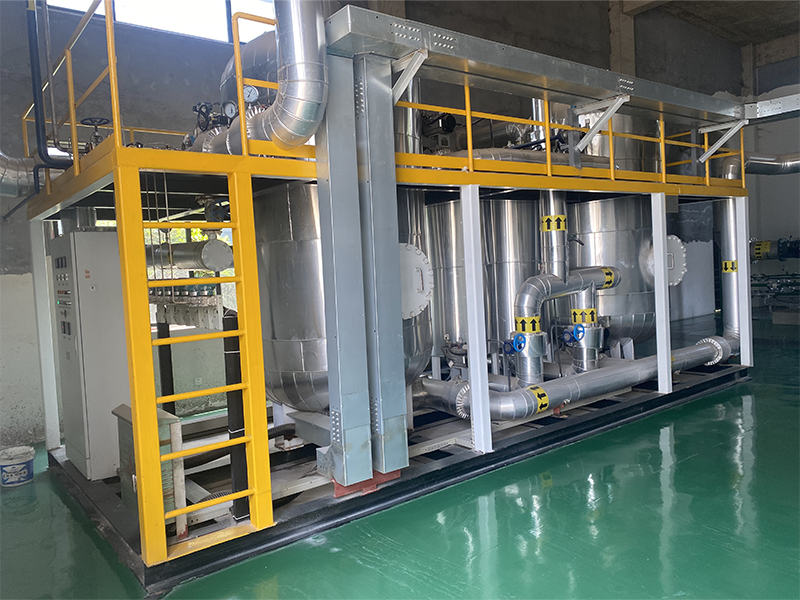
Plant managers must analyze their operational models for executing maintenance. You must decide which tasks remain in-house and which require external expertise. This decision impacts plant reliability, safety, and labor overhead.
Task Category | Recommended Approach | Required Skillset |
|---|---|---|
Daily Logging & Walk-rounds | In-House Operations | Basic plant familiarity, hazard recognition. |
Filter Changes & Valve Greasing | In-House Maintenance | Standard mechanical skills, LOTO training. |
Analyzer Calibration | In-House I&E Techs | Instrumentation background, span gas handling. |
Aluminum Pipe Brazing | Specialized Contractor | ASME Section IX certified aluminum welding. |
Expander Rebuilds | OEM or Specialized Contractor | Precision rotating equipment balancing, seal fitting. |
Perlite Removal & Filling | Specialized Contractor | Vacuum truck operation, cryogenic insulation expertise. |
Routine tasks such as checking vibration, oil levels, filters, and pressure can usually be handled by plant operators and maintenance teams. However, complex cryogenic work requires specialized equipment and technical skills. Tasks such as perlite removal, aluminum heat exchanger repair, and distillation system maintenance should only be performed by trained specialists to avoid equipment damage and safety risks.
Specialized contractors are usually needed for major plant turnarounds, coldbox repairs, plant relocation, and control system upgrades. When choosing a contractor, consider their cryogenic experience, safety record, similar project experience, turnaround management, and access to suitable spare parts. The right contractor can help complete complex maintenance safely while reducing delays and production losses.
Frame the financial decisions behind maintenance intervals carefully. You must balance the immediate expense of maintenance against the long-term value of plant reliability. Equipment upgrades often provide better returns than continuously repairing obsolete components.
Preventative and condition-based maintenance require upfront investment but can reduce unexpected failures and costly downtime. Vibration monitoring and oil analysis help detect compressor wear early, allowing parts to be replaced when needed. Extending maintenance intervals may increase short-term production, but it can also cause heat exchanger fouling, valve problems, and molecular sieve degradation, leading to higher energy use and lower plant efficiency.
Older ASUs may need equipment upgrades when regular maintenance is no longer enough. Modern DCS controls can improve process stability and reduce operator workload, while upgraded expander components can improve efficiency and lower power consumption. Increasing cryogenic liquid storage capacity can also provide more backup supply and help plants manage production during periods of high electricity costs.
The maintenance process itself introduces specific hazards to the plant. Opening closed cryogenic systems exposes them to the ambient environment. You must implement strict mitigation strategies to protect personnel and equipment during outages.
Opening coldbox piping or compressor parts during maintenance can allow moisture, oil, and dust to enter the system, creating serious risks in oxygen service. Critical components should be kept clean and inspected before installation. After maintenance, the system should be purged with dry, oil-free nitrogen to remove moisture. The purge gas dew point should reach -60°C or lower before cooldown begins to reduce the risk of ice blockage.
Cryogenic liquids and high-pressure gas lines require strict isolation before maintenance. Operators should use proper LOTO and double block and bleed procedures, and trapped cryogenic liquid must be safely vented before opening equipment. Coldbox entry also requires continuous oxygen monitoring, ventilation, entry permits, and trained personnel because nitrogen leaks can create low-oxygen conditions while oxygen leaks can increase fire risks.
A disciplined, well-documented maintenance program remains the only reliable method to safeguard your asset's lifespan and profitability. Ignoring routine checks leads directly to catastrophic equipment failure and unacceptable energy waste. By implementing strict daily monitoring and executing planned turnarounds, you maintain thermodynamic efficiency and ensure product purity.
When evaluating third-party maintenance partners, prioritize cryogenic expertise, proven turnaround management experience, and strict EIGA/CGA/AIGA compliance. The right partner minimizes downtime and executes complex coldbox repairs safely.
Take immediate action to secure your plant's reliability:
Download and customize a printable version of the maintenance checklist for your operators.
Conduct an internal audit of your current daily and weekly inspection logs to identify missing data points.
Schedule a condition-based monitoring assessment for your main air compressors and expanders.
Contact a specialized service provider to scope your next major plant turnaround and secure long-lead parts.
A: Routine operational checks occur daily and weekly to monitor vibration, temperatures, and pressures. Preventative maintenance, like filter changes and valve testing, happens quarterly. Major turnarounds, involving coldbox entry, molecular sieve replacement, and compressor overhauls, typically occur every 3 to 5 years depending on plant design and operating conditions.
A: Inspection involves visual checks for exterior frosting or condensation, which indicate internal leaks or insulation voids. Technicians perform thermographic surveys to detect hidden cold spots. You must continuously monitor the nitrogen purge gas flow to ensure positive pressure. Finally, check the perlite insulation levels for settling and top it up using pneumatic transfer if necessary.
A: Fouling primarily occurs when impurities bypass the pre-purification unit. Moisture and carbon dioxide freeze within the cryogenic passages, blocking airflow. Particulate bypass from degraded filters or deteriorating molecular sieves can also clog the narrow channels. Trace hydrocarbon accumulation presents both fouling issues and severe explosion hazards.
A: Liquid storage is integral to the plant ecosystem. You must inspect backup tanks for vacuum pressure integrity to prevent excessive boil-off. Vaporizers require monitoring to prevent severe ice build-up, which degrades heat transfer and risks sending liquid into carbon steel piping. Maintaining these components ensures reliable backup supply.
A: Turnaround duration depends entirely on the scope of work. Minor outages for valve repairs and filter changes may take 3 to 5 days. Major overhauls involving compressor rebuilds, complete molecular sieve replacement, and coldbox internal repairs can take 2 to 4 weeks of continuous, round-the-clock work.
A: Degradation manifests as increasing differential pressure drops across the adsorbent beds due to dusting. You will notice reduced adsorption capacity, requiring shorter cycle times between regenerations. The most critical sign is premature moisture or carbon dioxide breakthrough detected by analyzers before the scheduled regeneration cycle begins.
A: Purge gas maintains a slight positive pressure inside the coldbox casing. This prevents ambient, moisture-laden air from entering and freezing on the cold piping. Monitoring purge gas flow and analyzing its composition also helps detect internal cryogenic leaks early, preventing major structural damage to the enclosure.


